All About About Heat Pumps
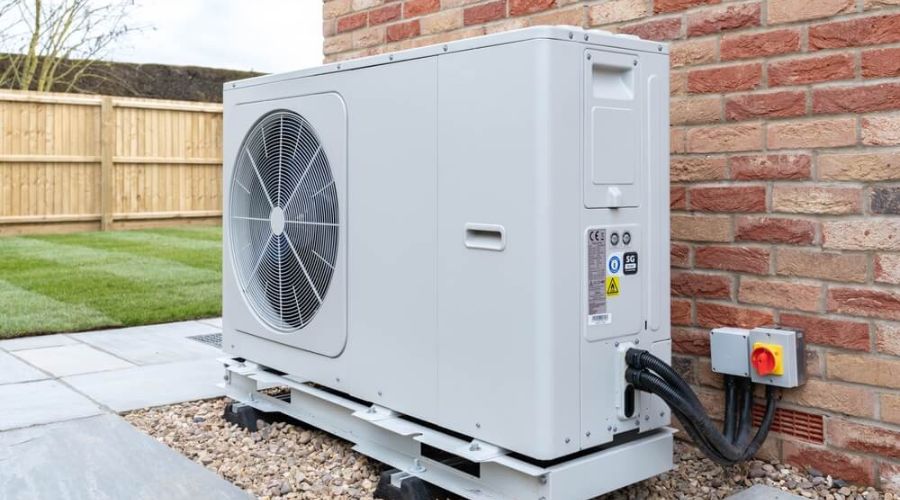
At some point, most homeowners will have to decide whether to install or replace the HVAC system. When that time comes, the stress of losing a vital system in the home coupled with the installation cost can give owners tunnel vision. Homeowners may miss out on important home upgrades by not exploring their options when it comes to replacing the HVAC system. Instead of replacing the outdated system with a newer version, why not look into revolutionary technologies? Here is a quick guide to heat pumps to help homeowners understand the advantages of switching.
 What Is a Heat Pump?
The heat pump concept has been around for over 100 years. In fact, the process that makes heat pumps work is the same as what powers every air conditioner on the planet. In the case of an air conditioner, heat in the home is absorbed by a refrigerant that is evaporating. The heat energy is absorbed into the cold fluid, warming it up. Once the fluid is warm, it is pumped outside to dump the heat into the atmosphere.
Heat pumps use this same principle during the winter to heat the home instead of burning fossil fuels. Compressing the same refrigerant causes it to heat up. The heated fluid is cooled by passing the home’s air across it, and the cooled fluid goes back outside to be recycled.
Why Are People Choosing Heat Pump Installation?
Heat pumps are revolutionizing how people choose to heat and cool their homes. For years, the only ways to heat homes involved burning gas or using electrical resistance, both expensive and inefficient. Instead, heat pumps use only electricity to keep a home comfortable all year. Here are a few of the reasons people are making the switch.
- Efficiency: Heat pumps are rated to be up to 300 times more efficient than burning fossil fuels, even compared to high-efficiency systems. This means lower bills all year long, and making the switch allows customers to cancel their gas service.
- Eco-Friendliness: Heat pumps have the lowest carbon output of any heating or cooling system. By installing heat pumps, most customers can use tax credits and rebates for eco-friendliness.
- Direct Replacement: Heat pumps come in different shapes and sizes to accommodate direct replacement of existing central heating and air conditioning systems.
- Year-Round Comfort: Heat pumps handle heating and cooling with the same equipment. Instead of swapping to natural gas heating in the winter, heat pumps keep bills consistent by using electrical power.
 When Are Heat Pump Repairs Needed?
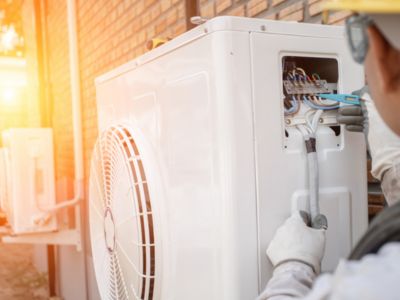
Heat pumps use the same machinery to heat and cool the home all year long. While this may seem like extra wear and tear, heat pumps are generally reliable since they don’t get damaged sitting idle. However, at some point, heat pumps will need repairs. The signs that heat pump repair is needed are:
- Rattling or banging noises
- Inadequate heating or cooling
- High bills
- Long cooling cycles
- Inaccurate thermostat readings
- Poor indoor air quality
About Easco Air Conditioning and Heating
Easco Air Conditioning and Heating offers fast solutions to heating and cooling problems. Their teams also put 30 years of experience to the test to install and repair heat pumps. Call today for HVAC service in The Woodlands, TX.