Important AC Replacement Basics to Know
When the heat of summer hits, an efficient and reliable air conditioning system becomes a homeowner's best friend. However, many people hold on to aging air conditioners for too long, unaware of the benefits a new system can provide. Understanding the basics of air conditioner replacement can help homeowners make informed decisions that enhance comfort and savings.
Signs to Replace an Air Conditioner
Replacing an AC unit is a substantial investment that offers numerous advantages, including increased energy efficiency and improved indoor air quality. Recognizing the signs that indicate the time for air conditioner replacement is vital to maintaining a comfortable living environment. Here are common indicators that it might be time for a new AC unit:
- Age Over 10 Years: Once an air conditioner surpasses the decade mark, it often begins to lose efficiency and may no longer operate optimally. Advances in HVAC technology mean newer models can offer significant performance improvements over older units.
- High Energy Bills: Escalating energy bills can be a direct result of an aging AC unit that requires more power to maintain desired temperatures. Newer models are typically more energy-efficient and can dramatically reduce cooling costs.
- Frequent Repairs: If an air conditioner requires repeated repairs, it is often more cost-effective to invest in a new system rather than continue to pay for fixes. Frequent breakdowns suggest the unit is nearing the end of its usable life.
- Inconsistent Cooling and Increased Noise: Old units often struggle to maintain consistent temperatures and can become noisier, indicating wear and tear that may necessitate replacement for improved comfort and peace.
Identifying these signs helps homeowners make informed decisions about their cooling systems, ensuring optimal efficiency and comfort.
Advantages of Replacing an Old AC Unit
 Upgrading to a new air conditioner offers various benefits beyond just reducing repair woes. Key advantages include:
- Improved Energy Efficiency: New AC models are designed with advanced technology for superior energy efficiency, helping reduce carbon footprints and impact on the environment.
- Lower Cooling Costs: With higher efficiency comes reduced energy consumption, which translates directly into savings on monthly utility bills.
- Fewer Repair Costs: New systems require less maintenance and are less likely to experience frequent breakdowns, leading to fewer service calls and lower repair expenses over time.
- Enhanced Comfort: Modern air conditioners provide improved cooling capabilities, enabling more consistent temperature regulation and enhanced airflow throughout the home.
- Better Indoor Air Quality: Many newer systems feature advanced filtration options that enhance indoor air quality by capturing a greater number of airborne particles and allergens.
- Ability to Resize Unit: A new installation provides an opportunity to reassess cooling needs and potentially install a unit that is appropriately sized for the home, optimizing performance.
Replacing an old air conditioner with a contemporary model brings significant savings and comfort improvements to residential spaces.
Choosing a Type of AC System
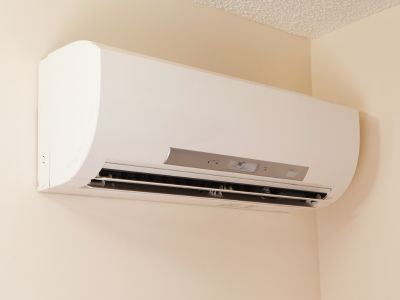 When considering an AC upgrade, homeowners usually decide between a ductless mini-split system and a central air conditioning system. Each has its unique set of pros and cons:
Central Air Systems:
- Pros: Central AC systems traditionally have a lower installation cost when ductwork is already present and provide uniform cooling throughout the home.
- Cons: These systems generally incur higher energy bills due to energy loss within ducts and may not be as efficient as modern mini-split alternatives.
Ductless Mini-Split Systems:
- Pros: Mini-splits offer superior efficiency and the flexibility to control temperatures independently in different zones, making them energy-efficient with lower overall energy bills.
- Cons: The initial installation cost is typically higher, and their aesthetic design may not suit everyone's preferences due to the visibility of indoor units.
The transition to a new air conditioning unit brings numerous benefits to homeowners, from cost savings to improved comfort. Selecting the right type of AC system involves weighing installation costs, energy efficiency, and personal preferences to find the best fit for each unique home environment.
About Easco Air Conditioning and Heating
Easco Air Conditioning and Heating is a full-service heating and cooling company with over 30 years of industry expertise. They have fully stocked trucks. Call them today for air conditioner replacement in The Woodlands, TX.